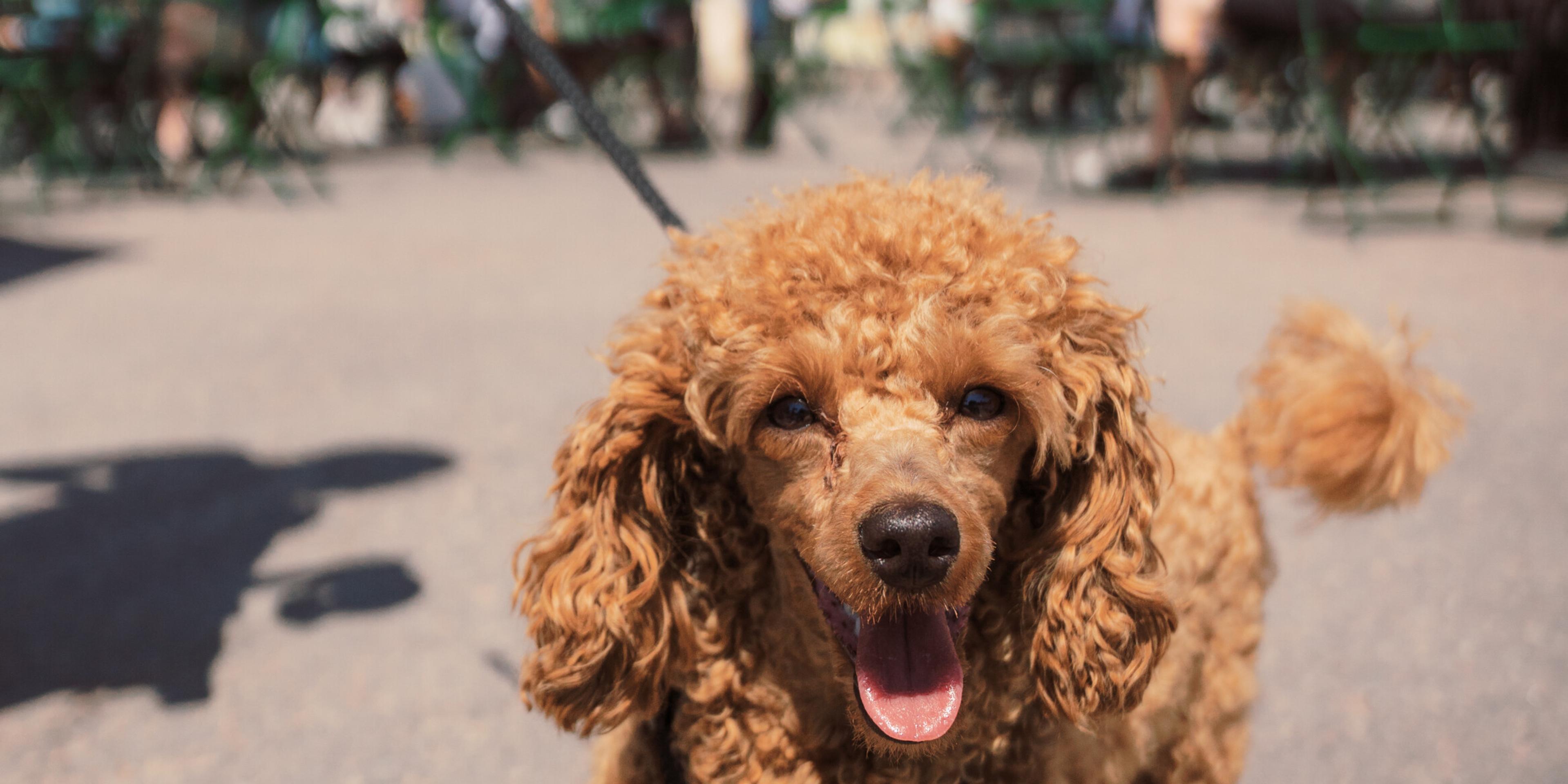
Koirapuisto: Inside Finnish Dog Park Culture
What Is a Koirapuisto?
In Finland, a koirapuisto (literally "dog park"), also called a koira-aitaus ("dog enclosure"), is a fenced outdoor area where dogs can roam off-leash while remaining under their owner's supervision. These spaces give dogs a chance to move freely, socialize, and play with one another, and they double as informal meeting points for owners to swap tips and stories about dog life.
Finnish dog parks are typically built in wooded terrain, where trees provide shade and the varied ground gives dogs plenty of stimulation. Designers often incorporate large stones and logs to create natural running routes, while keeping sightlines open so owners can always see their dogs.
Outside these parks, Finland's Public Order Act (Järjestyslaki) requires dogs to be kept on a leash in urban areas and their waste cleaned up. Dogs are also banned from public beaches, children's playgrounds, market squares, and sports fields unless specifically permitted. The koirapuisto is therefore one of the few places in the city where a dog can legally be off-leash.
Helsinki's Network of Dog Parks
Helsinki maintains nearly 100 dog parks scattered across the city, one of the densest networks in Europe. Most are divided into separate pens for large and small dogs, with the cutoff defined as 40 cm in height and 15 kg in weight. The city also operates four dog beaches (in Lauttasaari, Rajasaari, Tervasaari, and Tuorinniemi), where dogs can swim freely.
Some well-known examples in Helsinki include:
- Rajasaaren koirapuisto: A scenic seaside park with a sandy beach where dogs can swim. Soon to be renovated, splitting it into two sections for safety.
- Tokoinrannan koirapuisto: A popular fenced park beloved by locals.
- Tervasaaren koirapuisto: A central, fenced enclosure on the small island of Tervasaari near Kruununhaka.
- Keskuspuiston koira-aitaus: One of the largest enclosures in Helsinki, set in the Central Park and divided into large- and small-dog sections.
- Eläintarhan koirapuisto: Conveniently located near the Olympic stadium area.
Who Manages Them?
Helsinki's dog parks are owned, built, and maintained by the City of Helsinki's Urban Environment Division (Kaupunkiympäristön toimiala). The city designs each enclosure following its official koirapalvelulinjaus (dog services policy), which now stipulates that, as a general rule, parks should be split into two sections for safety.
Maintenance, cleaning, and repairs are handled by the city, and residents can report broken fences, missing waste bins, or other shortcomings through the official feedback portal. Equipment standards, including a 1,300-litre deep waste container or composter for dog feces and 60-litre mixed-waste bins, follow the minimum requirements set by Suomen Kennelliitto (the Finnish Kennel Club), the country's leading canine expert organization.
A Brief History
Helsinki's first dog park opened in July 1971, at the corner of Neitsytpolku and Merikatu in the Ullanlinna district. The idea spread quickly: by 1981 the city had 21 dog parks, and by 1995 the number had grown to over 70. As of the 2020s, Helsinki has nearly 100 koirapuistos, a remarkable expansion that reflects how deeply integrated dogs have become in Finnish urban life.
The Finnish Kennel Club, founded in 1889, is the oldest kennel organization in the Nordic countries and has played a key role in shaping standards for dog-related infrastructure, including koirapuisto facilities.
A particularly creative chapter was the Design Dog Park project in Arabianranta, an initiative born in 2007 from the local dog society Gammelin koirat ry and developed in cooperation with the Artova residents' association as part of Helsinki's role as World Design Capital 2012. The aim was to make a dog park into a piece of public design: a site that activates dogs, looks beautiful, and uses recycled materials.
The Community Around Koirapuistot
Beyond the city's role, koirapuistot are sustained by an active community. Local dog associations (koirayhdistykset) organize training events, social gatherings, and obedience tests at the city's dedicated dog training fields, which can be rented annually for a modest fee (€100/year for associations).
Digital community has grown alongside the physical one. The Koirapuisto app, launched in late 2020 by Finnish developer Ville Miekk-oja, lets owners "check in" their dog at a specific park and time, so others can see when there's company to be found. The app now lists over 408 dog parks across Finland, with more than 20,000 dogs registered and over 120,000 visit announcements logged. A separate site, Koirapuistot.fi (founded 2024), serves as a community-driven, bilingual database for dog parks nationwide.
The Finnish Kennel Club also publishes etiquette guidance, encouraging owners to read other dogs' signals, supervise interactions, and ensure that young dogs gain only positive experiences in the park.
Park Etiquette
The City of Helsinki, with the Helsinki Region Dog Breeders' Association, sets clear rules for behavior inside the pens, including:
- The owner enters the gate first, before the dog
- Always keep gates closed
- Never leave a dog alone in the pen
- Remove the dog's collar or harness inside the pen for safety
- Don't bring a sick dog or a female in heat
- Pick up waste and use the designated bins
- Don't bring toys, sticks, or treats into shared pens
- Keep noise down, especially between 22:00 and 07:00
These shared norms are what make Helsinki's dense network of koirapuistos work: a quietly impressive piece of civic infrastructure built around something very simple, giving dogs a place to be dogs.